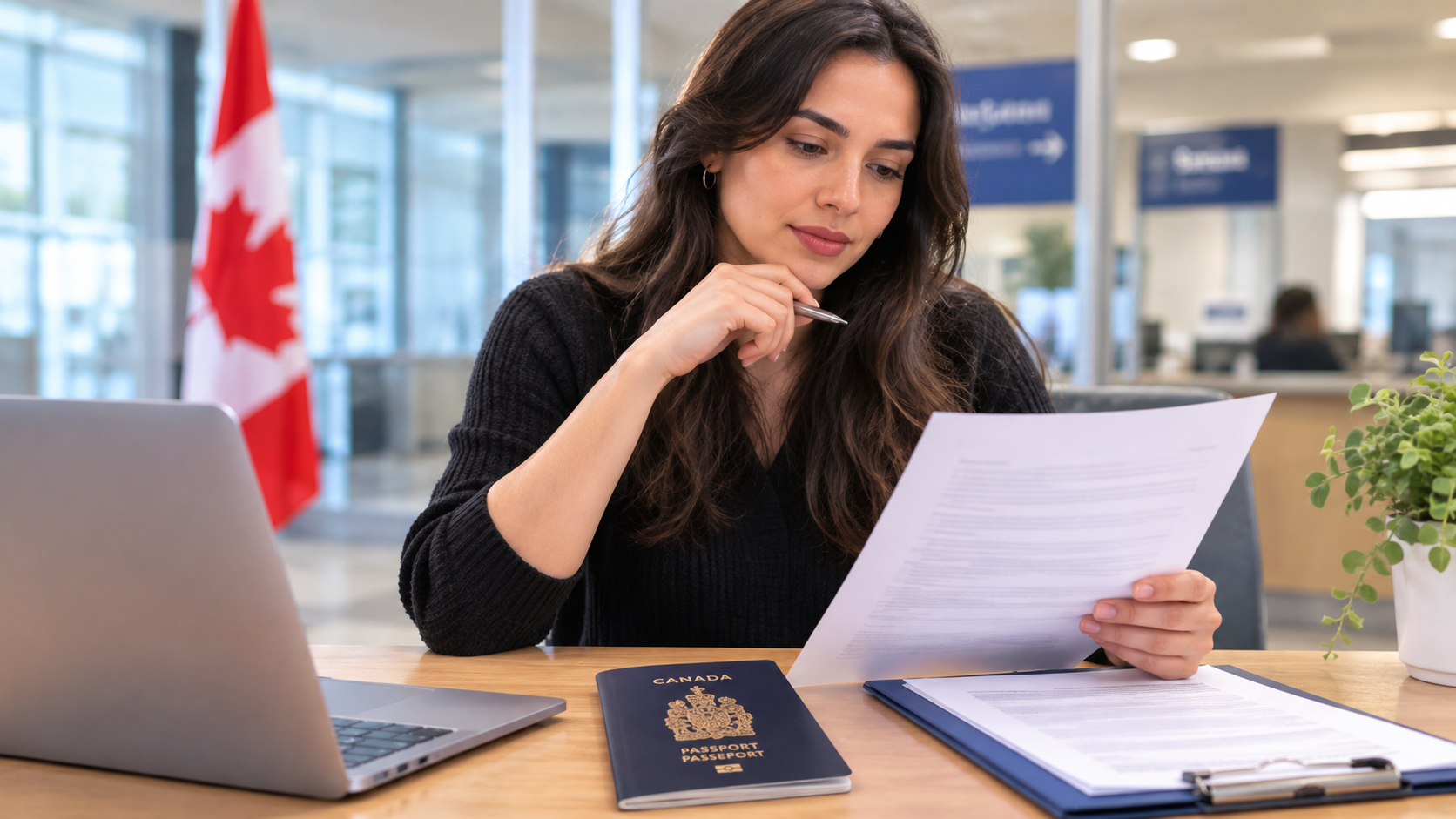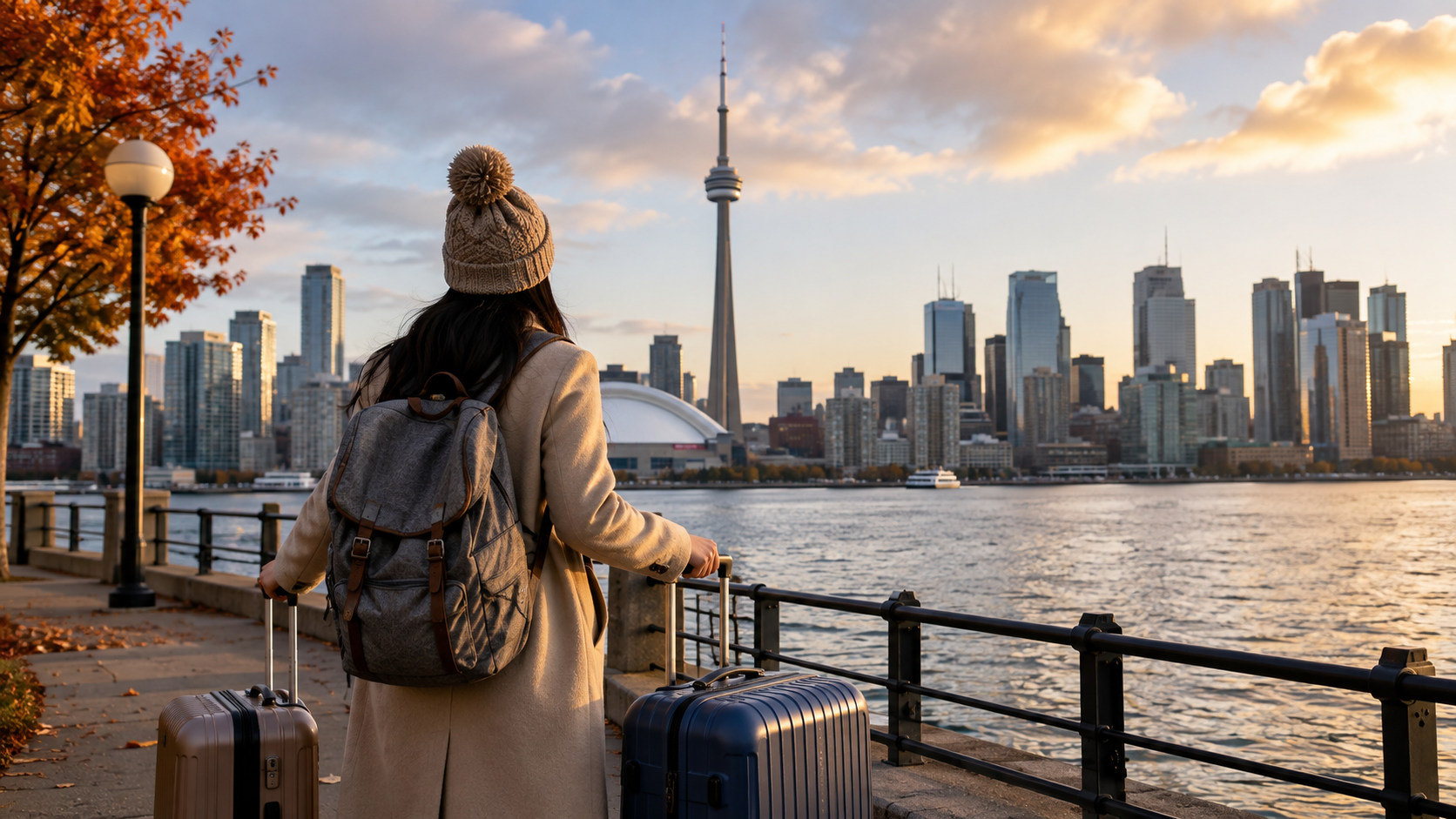
Moving to Canada can be exciting, but settling successfully involves much more than booking a flight and finding somewhere to stay.
Newcomers may need to navigate housing, employment, banking, transportation, healthcare, taxes, professional credentials and an entirely new cost of living.
Preparing for these realities before you arrive can make your first months in Canada considerably easier.
Here are 15 important things newcomers should know when planning a move to Canada in 2026.
1. Canada Is Much Bigger Than You Think
Canada is the second-largest country in the world by land area, and distances between major cities can be enormous.
Choosing where to live should therefore involve more than deciding that you simply want to move to Canada.
Climate, employment opportunities, housing costs, transportation and lifestyle can differ substantially between provinces and cities.
Research the specific community where you intend to settle before making your move.
2. Your City Choice Can Change Your Budget
There is no single cost of living for Canada.
The Government of Canada advises newcomers that living expenses vary depending on where they settle. Housing in particular can be significantly more expensive in some large metropolitan areas than in smaller communities.
Before choosing a destination, compare expected housing, transportation and everyday expenses with the income you realistically expect to earn.
3. Housing Will Probably Be Your Biggest Expense
Housing is one of the most important expenses to research before arriving.
The Government of Canada notes that many Canadians spend approximately 35% to 50% of their income on housing and utilities.
Your actual percentage may be higher or lower depending on your income, household size and location.
Newcomers should research rental prices, understand what utilities are included and learn how leases work in the province where they plan to live.
Sharing accommodation can also reduce housing costs during your first months in Canada.
4. Finding a Job Can Take Time
Do not assume you will immediately find a job in your preferred occupation after arriving.
Your experience will depend on your profession, qualifications, language skills, location and current labour-market conditions.
Canada's Job Bank provides tools for newcomers to search for employment and research occupations, wages and regional job prospects.
Building enough savings to cover your expenses while searching for work can reduce financial pressure.
5. You Need Authorization to Work in Canada
Moving to or visiting Canada does not automatically give someone the legal right to work.
Your ability to work depends on your immigration status and whether you have the appropriate authorization.
Job Bank advises foreign candidates outside Canada to focus on opportunities open to international candidates and to understand the immigration or work-permit requirements that apply to them.
Never assume that receiving a job opportunity automatically resolves your immigration status.
6. Some Foreign Credentials Need Recognition
Professional experience or education obtained outside Canada may not automatically qualify you to work in the same occupation in Canada.
Most occupations are not regulated, but certain professions and trades require specific licences or certifications.
Job Bank recommends checking whether your intended occupation is regulated and whether your foreign credentials need to be recognized.
The recognition process can involve time and additional costs, so researching it before moving can be extremely valuable.
7. Canadian-Style Resumes Are Different
A resume that worked well in another country may need adjustments for Canadian employers.
Your resume should normally focus on skills, relevant work experience, education and accomplishments that relate directly to the position.
Read each job posting carefully and tailor your application rather than sending exactly the same resume to every employer.
Job Bank also provides tools and resources designed to help newcomers with their job search.
8. English or French Can Affect Your Opportunities
Canada has two official languages: English and French.
The language skills you need will depend on where you live and the type of work you intend to do.
Job Bank notes that improving your English or French can help with employment opportunities.
Eligible newcomers may also have access to government-funded language training and settlement support.
9. You Will Need a Social Insurance Number
A Social Insurance Number, commonly called a SIN, is required to work in Canada and to access certain government programs and benefits.
Job Bank recommends applying for a SIN as soon as possible after arriving in Canada if you are eligible.
Your SIN is sensitive personal information. Protect it and only provide it when legally required.
10. Build an Emergency Fund Before You Arrive
Moving countries creates expenses that may not be part of your normal monthly budget.
You may need money for temporary accommodation, transportation, rental costs, furniture, household supplies, clothing and other setup expenses.
You may also need time to secure employment.
The Government of Canada recommends researching the cost of living in the community where you plan to settle before moving.
A financial cushion can make unexpected expenses easier to manage.
11. Understand Canada's Healthcare System
Canada has publicly funded provincial and territorial healthcare systems, but coverage and eligibility rules are administered by each province or territory.
Not every medical expense is necessarily covered by provincial insurance.
Prescription medication, dental services, vision care and other services may require private insurance or out-of-pocket payment depending on your circumstances.
Some newcomers may also face a waiting period before provincial or territorial health coverage begins, depending on the jurisdiction and their eligibility.
Check the official health authority for your destination before arriving.
12. Prepare for Canadian Winters
Winter conditions vary significantly across Canada, but newcomers moving to colder regions should prepare for low temperatures, snow and ice.
Proper winter clothing can become an important initial expense.
A winter coat, insulated footwear, gloves, appropriate layers and other cold-weather items may be necessary depending on where you live.
Drivers should also research provincial requirements and recommendations related to winter driving and winter tires.
13. Public Transportation Varies by City
Transportation needs can significantly affect your budget.
Large metropolitan areas may offer extensive public transit systems, while living in smaller communities or suburban areas can make owning a vehicle more practical.
Car ownership involves expenses beyond the purchase price, including insurance, fuel, registration, maintenance and repairs.
Compare housing and transportation together when deciding where to live. Cheaper housing far from work may create higher commuting costs.
14. Newcomer Services Can Help You
Eligible newcomers can access settlement services designed to help them adapt to life in Canada.
Services can include assistance with finding employment, housing, language training and connecting with community resources.
Some eligible people can even access free pre-arrival services before entering Canada.
Eligibility rules matter. Starting April 1, 2026, economic-class permanent residents have time-limited eligibility for federally funded newcomer services, so newcomers should check the current IRCC rules that apply to their situation.
15. Your First Months May Be the Most Expensive
Your first months in Canada can involve expenses that will not necessarily repeat later.
Examples can include temporary accommodation, household items, furniture, deposits where permitted, transportation setup and appropriate clothing for the climate.
At the same time, you may still be searching for employment or establishing your professional network.
For this reason, your arrival budget should not be based only on what you expect your normal monthly expenses to be after you are fully settled.
Before You Move to Canada: Final Checklist
Before travelling, create a personalized checklist based on your immigration status, destination and family situation.
- Confirm that your immigration documents are valid.
- Research housing costs in your destination.
- Estimate your monthly cost of living.
- Build an emergency fund.
- Check whether your profession is regulated.
- Research foreign credential recognition if necessary.
- Prepare a Canadian-style resume.
- Research employment opportunities before arriving.
- Check provincial or territorial healthcare eligibility.
- Research transportation options.
- Prepare appropriate clothing for the local climate.
- Check whether you qualify for pre-arrival or newcomer services.
The Bottom Line
Moving to Canada can create new opportunities, but preparation matters.
Housing, employment, professional credentials, transportation and everyday expenses can look very different depending on where you choose to settle.
Do not build your plans around assumptions about salaries or living costs. Research the specific province and city where you intend to live and use official Canadian resources whenever possible.
Understanding the practical side of life in Canada before you arrive can help you make better financial and career decisions during your first months in the country.