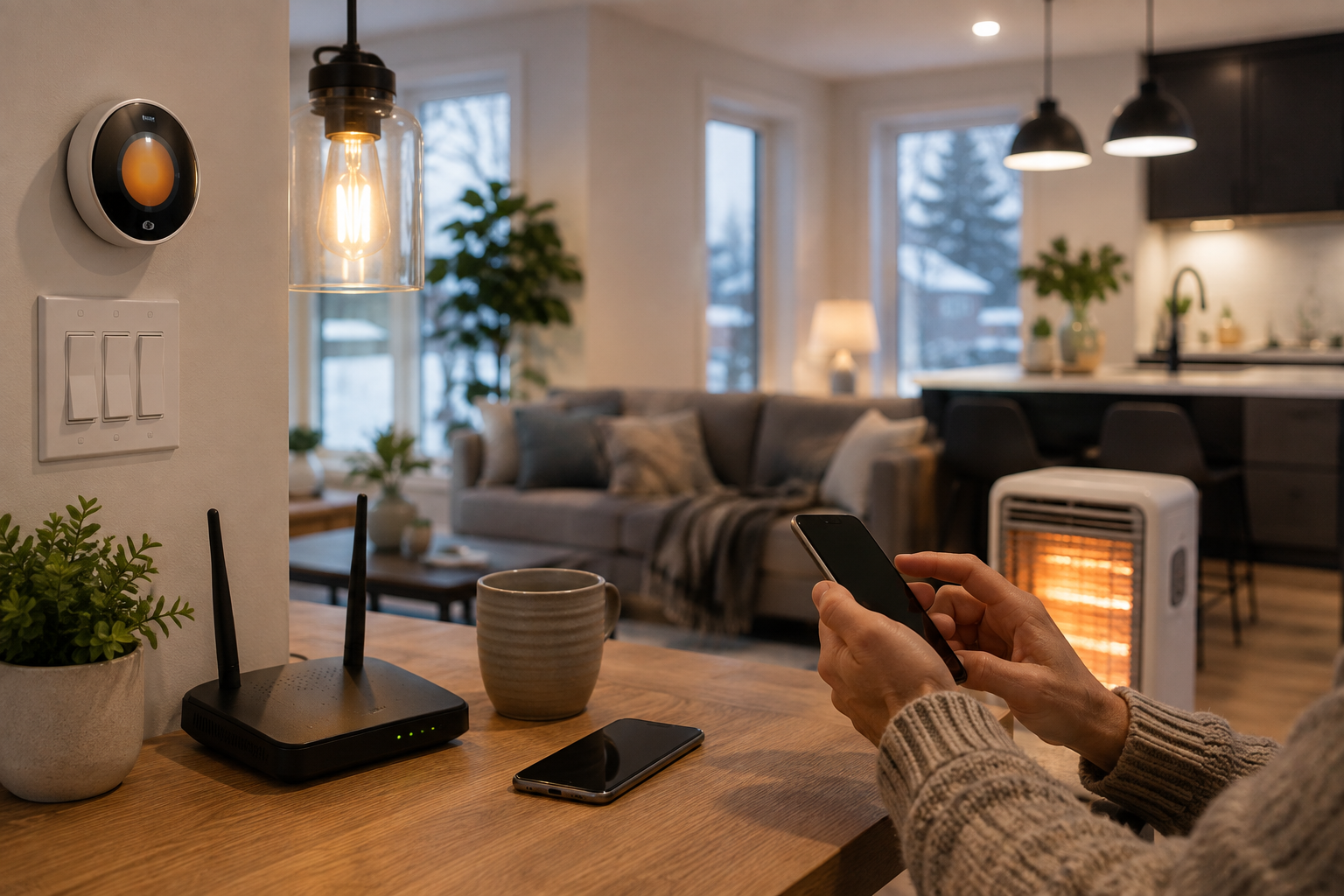
Utilities are an important part of the monthly cost of living in Canada, but the amount you pay can vary dramatically depending on where you live, the size of your home and what is included in your rent.
For renters and newcomers, understanding electricity, heating, water, internet and mobile phone costs can make it much easier to build a realistic monthly budget before choosing a city or signing a lease.
This guide breaks down the main household utility costs Canadians may encounter in 2026 and explains why bills can be significantly different from one province to another.
How Much Do Utilities Cost in Canada in 2026?
There is no single Canadian utility bill. Electricity rates, heating systems, municipal water charges and telecommunications prices vary across the country.
As a practical budgeting starting point, a household paying separately for electricity, heating, internet and mobile service should be prepared for several hundred dollars in recurring monthly expenses. The actual amount can be substantially lower or higher depending on the property and location.
| Expense | Practical Monthly Budget |
|---|---|
| Electricity | C$80–C$200+ |
| Heating / Natural Gas | C$50–C$200+ |
| Water | C$30–C$100+ |
| Home Internet | C$50–C$100+ |
| Mobile Phone | C$30–C$80+ per line |
Important: These ranges are general budgeting estimates rather than fixed Canadian prices. Some renters have heating, water or electricity included in their rent, while others must pay every bill separately.
Electricity Costs Vary Significantly Across Canada
Electricity is one of the clearest examples of why location matters when estimating utilities in Canada.
According to the Canada Energy Regulator, residential electricity prices vary widely between provinces and territories. For a household consuming approximately 1,000 kWh per month, the estimated bill can range from roughly C$83 to C$375 depending on the jurisdiction.
Provinces with access to large amounts of relatively inexpensive hydroelectric generation, including Quebec and Manitoba, generally have some of Canada's lowest residential electricity prices. Costs can be substantially higher in areas with different generation systems or isolated electricity grids.
If you are comparing cities based on affordability, electricity should therefore be considered alongside rent. Our guide to the cheapest places to live in Canada provides a broader comparison of affordable locations.
How Much Does Heating Cost in Canada?
Heating expenses depend heavily on the type of property, local climate, energy source and insulation.
Canadian homes may use natural gas, electricity, heating oil, heat pumps or other systems. A small apartment can require much less energy than a detached house, while older homes with poor insulation may cost considerably more to heat.
Winter is particularly important when budgeting. Someone arriving during warmer months may underestimate how much household energy consumption can increase once temperatures fall.
Before renting a property, ask the landlord what type of heating system the home uses and whether heating is included in the monthly rent.
Is Water Included in Rent in Canada?
Water arrangements vary by municipality and rental property.
Some landlords include water charges in the rent, especially in apartment buildings. In other situations, tenants may be responsible for water or other municipal utility charges.
Never assume that utilities are included simply because a rental advertisement lists one monthly price.
Before signing a lease, confirm exactly which expenses are included. This is especially important for newcomers estimating their monthly cost of living in Canada.
Internet Costs in Canada in 2026
Home internet is another common monthly expense, particularly for households that work remotely, stream entertainment or have several connected devices.
Internet prices depend on the provider, location, connection technology, download speed, promotional offers and whether the service is bundled with other products.
The Canadian Radio-television and Telecommunications Commission (CRTC) reports that internet prices have generally been relatively stable recently, although pricing varies by speed tier and market.
The CRTC also reports that Canada's internet service price index declined compared with early 2021 even as the overall Consumer Price Index increased. Consumers, however, may still spend more when choosing faster or higher-capacity services.
For budgeting purposes, comparing multiple providers before subscribing can be worthwhile because introductory offers and available competitors vary by address.
How Much Does a Mobile Phone Plan Cost?
Mobile phone service is another expense that newcomers should include in their first-month budget.
Plans vary according to data allowance, coverage, provider, promotional pricing and whether the cost of a smartphone is included.
The CRTC's 2026 telecommunications report indicates that mobile service plan prices have fallen substantially compared with early 2021, even though Canadians increasingly choose plans with larger data allowances.
The same report found that average monthly mobile revenue per user in 2024 was about C$68.41 when smartphone device costs were included and approximately C$51 without the device cost. These figures represent industry averages rather than a guaranteed retail price for an individual plan.
Utilities for Renters: What Is Usually Included?
Rental arrangements can differ significantly from one property to another.
| Utility | May Be Included in Rent? |
|---|---|
| Water | Frequently, depending on the building |
| Heating | Sometimes |
| Electricity | Sometimes, but often separate |
| Internet | Usually separate |
| Mobile phone | Separate |
A rental that appears slightly more expensive can occasionally be cheaper overall if several utilities are included.
For example, comparing a C$1,800 apartment with heating and water included against a C$1,700 apartment where the tenant pays every utility separately requires looking at the total monthly cost rather than rent alone.
Utilities for a One-Bedroom Apartment
A person living alone in a one-bedroom apartment will generally use less electricity and heating than a family living in a detached home.
However, the tenant's actual bill still depends on whether the building uses electric heating, how efficiently the property retains heat and which utilities are included in the lease.
Someone budgeting for a one-bedroom apartment should therefore request information about previous utility costs whenever possible rather than relying exclusively on national averages.
Utilities for a Family in Canada
Families typically consume more electricity, hot water and internet data than single-person households. Larger homes also require more energy for heating and cooling.
That means the difference between the utility budget for one person and a family can be significant even when both households live in the same city.
Food is another major expense for larger households. See our guide to grocery prices in Canada in 2026 for monthly food budgeting estimates.
Why Utility Costs Change by Province
Canada does not have one national electricity or heating market. Provincial energy systems differ in generation sources, infrastructure, regulation and rate structures.
Hydroelectricity plays a particularly important role in provinces such as Quebec, Manitoba and British Columbia, while other provinces rely on different combinations of natural gas, nuclear, hydro, wind, solar and other generation sources.
Climate is another major factor. Heating requirements in a cold Prairie winter can be very different from those in milder coastal regions.
How to Reduce Your Monthly Utility Bills
- Compare electricity and heating arrangements before signing a lease.
- Ask which utilities are included in the advertised rent.
- Compare internet providers available at the exact address.
- Review mobile plans regularly instead of automatically renewing an expensive plan.
- Use programmable thermostats when available.
- Reduce unnecessary heating and cooling.
- Use energy-efficient appliances and LED lighting.
- Check windows and doors for significant drafts.
- Review previous utility bills when renting a house if the landlord can provide them.
Budgeting Beyond Utilities
Utilities are only one part of the true cost of living in Canada. Housing, groceries, transportation, insurance and other recurring expenses can have a much larger effect on your monthly budget.
People preparing to relocate should look at the complete financial picture rather than focusing only on rent.
If you are planning a move, read our guide to moving to Canada in 2026 and compare those expenses with our breakdown of food costs in Canada.
Final Thoughts
Utility costs in Canada in 2026 can vary substantially depending on province, property size, household consumption and the services included in a rental agreement.
The biggest mistake is assuming that the advertised rent represents the complete monthly housing cost. Before signing a lease, identify who pays for electricity, heating and water, then add internet and mobile service to your household budget.
For newcomers in particular, planning for these recurring expenses can make the first months in Canada considerably easier financially.
Prices, rates and promotional offers can change. The figures in this article are general budgeting estimates and should not be treated as guaranteed prices. Always verify current rates with the relevant utility, municipality, telecommunications provider or government authority.